Gates recognized the smartphone revolution long before others did. The issue was that Microsoft failed to take action.
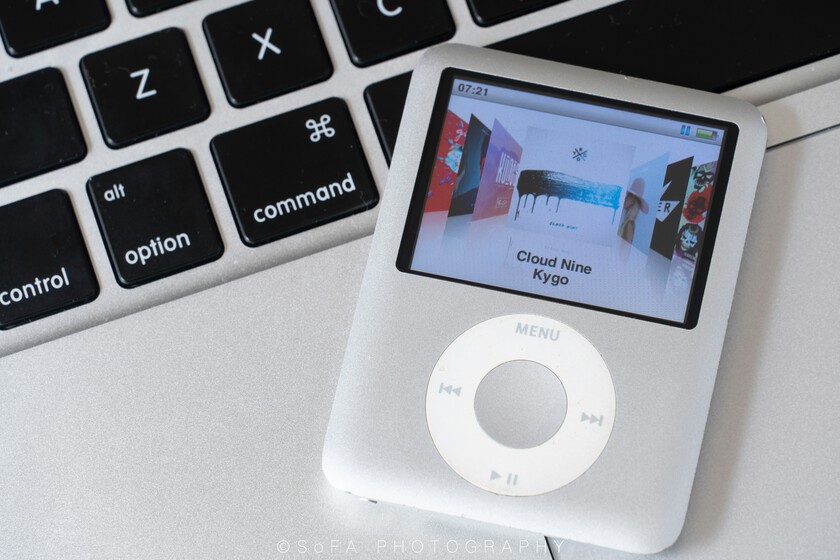
At the time, Apple was selling millions of iPods, but Gates anticipated their decline. The introduction of the iPhone confirmed his prediction.
When it comes to technological innovation, the true achievement lies not in creating a best-selling product, but in the ability to foresee what will become popular one or two decades down the line. This skill has allowed founders of major tech companies to amass some of the world’s greatest fortunes.
In May 2005, the iPod was selling exceptionally well and transforming the way we listen to music. However, in an interview with German outlet Frankfurter Allgemeine, Microsoft founder Bill Gates predicted that the iPod would become irrelevant in a few years.
At the time, many interpreted his statement as a reflection of Microsoft’s struggle to cope with the iPod’s success, but Gates turned out to be correct. The launch of the iPhone in 2007 and the rise of smartphones were significant factors that led to the decline of the iPod.
Bill Gates Saw It Coming, but Microsoft Failed to Capitalize on the Opportunity
In the interview, Gates shared insights about the technology sector. Two years before the launch of the first modern smartphone, he predicted how the phone market would evolve over the next two decades.
“[The phone market] is of absolute strategic importance… More and more functions will be integrated into a single device, and this requires software solutions… The prospect of having all relevant functions in a single device must be irresistible to consumers,” Gates said in 2005, according to a Google translation.
With this prediction, Gates accurately forecasted the developments that would shape the smartphone industry in the following years.
However, recognizing the trend isn’t enough. Companies also need to position themselves effectively to capitalize on these predictions. Under the leadership of CEO Steve Ballmer, Microsoft struggled to adopt the business model anticipated by the iPhone, which became a major shortcoming for the company.
Despite efforts with Windows Phone, Microsoft failed to capture the vast mobile software market that Gates had envisioned. Instead, Google and Apple dominated the market with their respective operating systems, leaving Microsoft with a small share and an operating system that failed to gain traction.
Gates Predicted the Downfall of the iPod, Not the Success of the iPhone
“I don’t think the iPod’s success can be sustained in the long run, no matter how good Apple is. I think you can draw parallels with computers: Here, too, Apple was once extremely strong with its Macintosh and graphical user interface–much like the iPod is today–and then lost its position. Consumers want more options, and they will get them because there is so much innovation in this field,” Gates explained in the 2005 interview.
Again, he was completely right about what consumers would demand from mobile devices in the following decade, and the iPod was destined to fall short. However, despite Gates’ foresight, Microsoft failed to find its niche and leverage its strengths.
Meanwhile, Apple responded to customer demands by integrating iPod functions into the iPhone to make it more versatile. The tech giant also capitalized on the App Store to expand its functionalities by opening the door to millions of apps. As such, Apple effectively embraced the premise that Gates had accurately predicted.
Image | Steve Zheng
Related | The Decline of the ‘Apple Culture’: How Blind Devotion Turned Into Critical Enthusiasm
See all comments on https://www.xatakaon.com
SEE 0 Comment