
Jody Serrano
Editor in chiefEditor in Chief at Xataka On. Before joining Webedia, I was a tech reporter at Gizmodo and The Messenger. While I've covered all sorts of things related to technology, I'm specialized in writing about social media, Internet culture, Twitch, and streamers.
Accessing popular weight loss drugs like Ozempic and Mounjaro in the U.S. has never been easy, plagued by problems like availability and price. Scarcity eventually led regulators to allow certain pharmacies to make generic versions of the injections, a decision many patients grabbed on to like a lifeline.
As of today, though, that lifeline is no longer available.
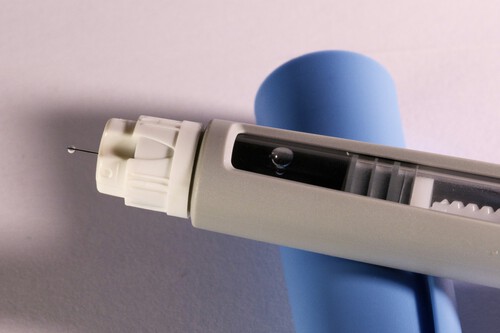
Generic Ozempic. So-called generic Ozempic hit the U.S. market in 2022, a time when there was a national shortage of GLP-1 weight loss injections. That year, the Food and Drug Administration announced that it was allowing compounding pharmacies to make generic versions of semaglutide and tirzepatide injections, which are known commercially as Ozempic, Wegovy, Mounjaro, and Zepbound, to deal with the shortage.
Compounding pharmacies are pharmacies that make medication that isn’t commercially available themselves. These pharmacies get the active ingredients for the drug from the manufacturers.
There are many reasons why patients may need to resort to compounding pharmacies. Some may need a dose that isn’t commercially available or need a version of the drug without allergens such as lactose or gluten.
There are roughly 7,500 compounding pharmacies in the U.S., according to the American Pharmacists Association.
A solution for some, a problem for others. For many patients, generic Ozempic was a great solution. Not only was it available, but it was also significantly cheaper compared its brand name cousin.
Earlier this year, Inc reported that brand name GLP-1 injections cost between $900 and $1,400 per month. Generic GLP-1 injections, on the other hand, could cost between $250 to $600 per month.
But not everything that glitters is gold. For instance, unlike brand name GLP-1 injections, compounded versions are not FDA approved. This means the agency has not reviewed the generic versions for safety, effectiveness, or quality.
Dr. Jody Dushay, an endocrinologist and an assistant professor at Harvard Medical School, told CNN that she doesn’t support the use of compounded GLP-1 drugs.
“You just don’t have that security of [compounded versions] being FDA-regulated. I don’t know what’s in this compound. I don’t know about purity, I don’t know about safety. I don’t know about dosing. I don’t know about drug interactions,” Dushay said. “I really wouldn’t want to be responsible for that.”
This month, the FDA stated it was concerned about the use of unapproved GLP-1 drugs, including compounded versions, and had received reports of adverse events related to doing errors. In some cases, patients measured and administered incorrect doses of the drugs. Other includes involved the health care professional miscalculating doses.
Resolving supply problems. The FDA announced in February that it had determined that the shortage of semaglutide (Ozempic and Wegovy) had been resolved, and gave compounding pharmacies between 60 and 90 days to stop making and distributing their versions of the drug.
“FDA confirmed with the drug’s manufacturer that their stated product availability and manufacturing capacity can meet the present and projected national demand,” the agency said. It explained that it was providing the 60-to-90-day adaptation window to avoid disruption to patient treatment.
The announcement followed a previous update the agency issued in December, when it stated that the shortage of tirzepatide (Mounjaro and Zepbound) had been solved.
The Outsourcing Facilities Association, the trade group representing compounding pharmacies, sued the FDAin an effort to allow its members to keep producing the generic versions of Ozempic and Mounjaro. The lawsuits were unsuccessful.
The FDA’s ban. May 22 was the last day for outsourcing facilities to compound, distribute, or dispense generic Ozempic. Going forward, these products are now banned.
The last day for compounding pharmacies to make generic Mounjaro was March 19.
Over on the manufacturer side, Novo Nordisk, which makes Wegovy and Ozempic, told CNN that it was “confident” in its ability to meet demand. The drug company pointed out that it had made investments and expanded its manufacturing capabilities.
Eli Lilly, the company behind Zepbound and Mounjaro, echoed its competitor and said its drugs were “fully available.” It added that patients “should not be exposed to untested and unapproved knockoffs.”

Uncertain access. An end to supply problems is little consolation to patients that were only able to access the GLP-1 drugs because the compounded versions were cheaper.
Michelle Pierce, a 25-year-old from Texas, gets her GLP-1 medications from the compounding company Olympia Pharmaceuticals, which produces the drugs for more than 70,000 people every week.
Pierce takes the medication for weight loss management and high blood sugar and had been denied coverage for the brand name GLP-1 one drugs by her insurance. The generic GLP-1 drug has allowed her to avoid back surgery and get her blood sugar to the lowest it’s ever been. The idea of going off it scares her.
“Now that it’s coming off shortage, I am planning to get off the medication. I don’t really have any other options. I absolutely cannot afford to completely pay out of pocket,” Pierce said.
Image | Haberdoedas
Related | Losing Weight Comes With the ‘Ozempic Effect’—And a Face You Might Not Recognize