

Adapted by:
Javier Márquez
WriterI've been in media for over a decade, but I've been marveling at the possibilities that technology brings us much longer. I believe we live in a world where the digital revolution is changing everything and that Xataka is the best place to write about it.

Alba Mora
WriterAn established tech journalist, I entered the world of consumer tech by chance in 2018. In my writing and translating career, I've also covered a diverse range of topics, including entertainment, travel, science, and the economy.
During his presidential campaign, President Donald Trump defended his tariff plan with strong statements that resonated with his supporters. “I’m going to put tariffs on other countries coming into our country, and that has nothing to do with taxes to us. That’s tax on another country,” he said. The message was clear: Americans wouldn’t bear the burden of his trade war.
After Trump’s return to the White House, this narrative continued. However, the reality has proven to be quite different.
The tariff war is starting to impact the prices paid by Americans. A prime example of this is Temu. The e-commerce platform gained popularity in the U.S. for its low prices. However, the Chinese company has recently started to impose import charges that sometimes exceed 100% of the original product’s value.
Paying more for the same items. According to NBC News, a three-pack of men’s athletic shorts that was priced at $23.61 with free shipping from China now costs $56.36 after a $32.75 import charge. In other words, U.S. customers are paying more in tariffs than for the product itself.
Bloomberg analyzed the 14 most popular items shipped from China. The outlet found that import charges in the U.S. were always higher than the original prices of the products.
Temu issues a warning. In response to recent changes, the platform has added informative messages to alert users before they finalize their purchases. “Items imported into the U.S. may be subject to import charges. These charges cover all customs-related processes and cost, including import fees paid to customs authorities on your behalf,” the notice on Temu’s website says.
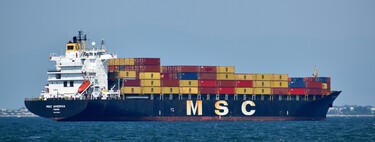
Domestic warehouses. Due to rising prices, Temu has intensified its promotion of products that are already stocked within the U.S. territory, grouping them under a specific category called “local.”
While many of these items are still manufactured in China, their physical location within the U.S. exempts them from the new customs charges. However, this exemption has its complexities.
According to NBC, some products labeled as “local” have actually seen price increases, despite not being subject to the surcharges. In other words, avoiding the import tariff doesn’t guarantee lower prices. The market context has changed, and this is also beginning to reflect in local stock.
Domino effect. Temu’s price increases are a result of a series of decisions that have completely altered the economic landscape. In early April, the Trump administration raised tariffs on certain imports from China to 145%. Moreover, it announced that, starting May 2, it’ll eliminate the so-called “de minimis” exemption. This loophole previously allowed most packages worth less than $800 to enter the U.S. duty-free.
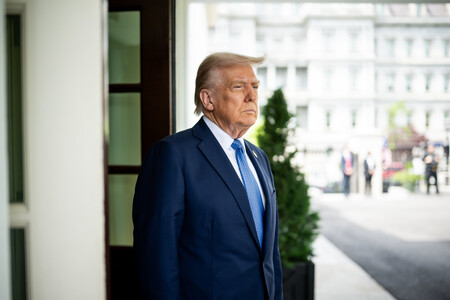
Between success and uncertainty. Since it launched in the U.S. in 2022, Temu has attracted millions of users with a straightforward appeal: exceptionally low prices on clothing, technology, and household goods. Although shipping times were long, many consumers were willing to wait if it meant paying less. However, the strategy is now faltering as costs rise and the tax advantages disappear.
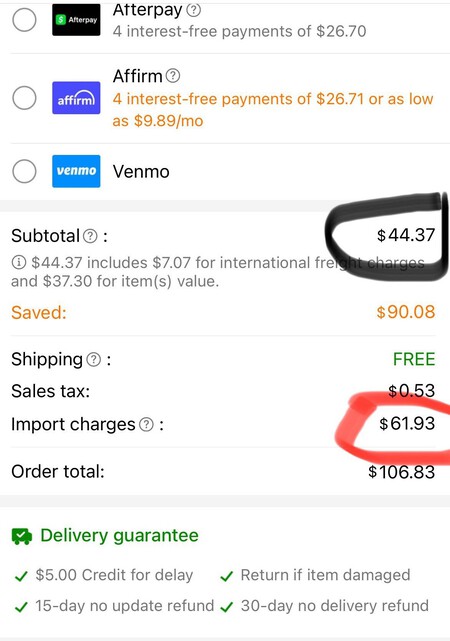
Complaints have flooded online forums. Users are expressing their discontent on platforms like Reddit. Many Temu customers share screenshots of their shopping baskets, showing new prices that have noticeably increased due to import charges. This shift has led to frustration among users who question whether shopping on the platform will still be worthwhile. The changes have caught many by surprise.
An increasingly uncertain commercial future. It’s currently unclear how long the existing tariff barriers will remain in place. In response, China has raised its tariffs on certain U.S. products to 125%, calling the possibility of further escalation a “joke.” This tension is affecting not only companies but also consumers, who are gradually seeing cheaper options diminish.
For now, locally stocked products may provide some relief. However, if the situation persists, these stocks could run out, forcing consumers to resort to pricier alternatives affected by the new import tariffs.
The White House is pointing fingers at Amazon. White House spokeswoman Karoline Leavitt accused Amazon of being “hostile and political.” It was in response to an article from Punchbowl News that suggested the e-commerce giant was considering displaying the exact cost of tariffs in its product prices. Amazon quickly clarified that this idea was only being explored for a specific section of its website, called Amazon Haul, which competes directly with Temu, and not for its homepage.
The implications of showing tariffs could be significant. Detailing these costs would allow consumers to see that, contrary to Trump’s claims, the economic burden is falling on them.
A warning to the whole sector. This message isn’t just directed at Amazon. It serves as a warning to other companies in the e-commerce sector. Clearly stating the impact of tariff policies could be an uncomfortable political position for the White House.
Images | appshunter.io | The White House
Related | Chinese Cars No Longer Compete With Western Brands. They Compete With the Future Itself