
Adapted by:
Ricardo Aguilar
WriterMobile tech writer and analyst. I studied Psychology, but I've been working in the consumer tech field for the last 10 years. Interested in motor projects and new forms of mobility.

Karen Alfaro
WriterCommunications professional with a decade of experience as a copywriter, proofreader, and editor. As a travel and science journalist, I've collaborated with several print and digital outlets around the world. I'm passionate about culture, music, food, history, and innovative technologies.
President Donald Trump has threatened to impose a 25% tariff on iPhones unless Apple manufactures them in the U.S. The last few weeks of May have brought new threats against tech companies—which will likely be ineffective in Apple’s case. Even if the U.S. imposes a new tariff, manufacturing in India remains more profitable for the company than moving production to the U.S.
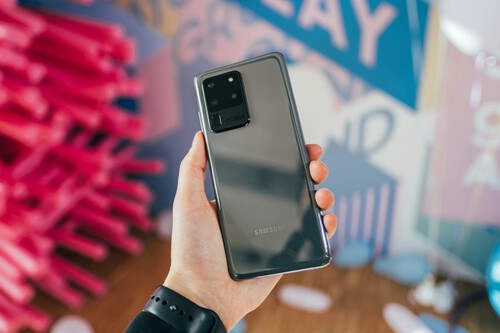
Apple isn’t the only company in the crosshairs. Trump recently said that “Samsung and anybody that makes that product,”—the smartphone—will face tariffs. The message is clear: If a product is sold in the U.S., Trump wants it manufactured there.
Samsung is in the crosshairs. In the world of best-selling mobile phone brands, Chinese manufacturers dominate, but Samsung and Apple lead the market. Giants like Google and Motorola hold smaller shares.
Trump has made clear that any phone maker producing devices outside the U.S. will face new tariffs. None of them currently manufacture phones in the U.S.
Vietnam is a refuge. Samsung’s supply chain has operated independently of China for over a decade. The company has made a long-term commitment to Vietnam, investing more than $220 million in the country in 2024 and employing more than 100,000 people. For years, Vietnam has served as a refuge from the U.S.-China trade war.

The South Korean tech giant has strategically diversified its production across countries including Vietnam, South Korea, Brazil, and Indonesia. It closed its last Chinese phone factories in 2019.
The potential impact is significant. Samsung faces a situation similar to Apple’s. Its Vietnamese plants produce more than 50% of its global smartphone volume. Labor costs in the country average just $3 an hour in the electronics sector.
Shifting its production to the U.S. is unfeasible due to high labor costs, relocation expenses, research and development investment, the level of automation in Vietnam, and the lack of a skilled workforce willing to work the demanding shifts that sustain Samsung’s current output.
A tariff would be painful—but not fatal. A 25% tariff would damage Samsung’s margins, forcing the company to absorb part of the cost and raise prices in the U.S.
But even that scenario is less damaging than rebuilding infrastructure and technical expertise from scratch—expertise Samsung has spent more than a decade and millions of dollars developing.
Image | Jonas Leupe (Unsplash)
Related | Tariffs Weigh on Imports From China to the U.S., Raising Fears of Empty Shelves